Unpacking the Allegations: The Intertwined World of Gates, JPMorgan, and Epstein in Pandemic Response Planning
The global health landscape, particularly in the wake of the COVID-19 pandemic, has drawn unprecedented scrutiny, revealing layers of complex financing, strategic planning, and the involvement of powerful private entities. At the center of some of these discussions are the alleged activities detailed in what are being referred to as the "Epstein Files." These documents, purportedly set to be released by the Department of Justice on January 20, 2026, are said to illuminate how Jeffrey Epstein, a convicted sex offender, played a pivotal role in shaping a "pre-COVID" operational architecture for pandemic response. This structure, rather than focusing solely on traditional public health, reportedly integrated Wall Street finance, philanthropic capital, global health governance, and even Pentagon biodefense systems, offering a startling perspective on the origins of pandemic preparedness strategies. The connections explored within these files, particularly concerning figures like Bill Gates and institutions like JPMorgan, suggest a deliberate and complex weaving of interests long before the world faced the recent health crisis.
The Genesis of a Global Health Architecture and Key Players
The narrative around a financialized and strategically managed global health system appears to have roots decades ago. The development of mRNA vaccine patents, for instance, reportedly began as early as 1989. Intriguingly, even at this nascent stage, potential concerns regarding multi-organ damage to the brain, heart, reproductive, and immune systems were noted, leading many vaccinologists to initially shy away from mRNA vaccine development. By 1999, patents for Coronaviruses and the spike protein (specifically by Pfizer) also started emerging.
It was in this same year, 1999, that Bill Gates faced significant public relations challenges following antitrust charges against Microsoft for alleged monopoly practices. In response, he embarked on a significant re-branding effort, culminating in the establishment of the Global Alliance for Vaccines and Immunisation (GAVI). This international organization was founded with a mission centered on "immunisation for all" and actively shaping the global vaccine market. GAVI rapidly grew into a dominant force in global health, leveraging substantial philanthropic capital to drive its agenda.
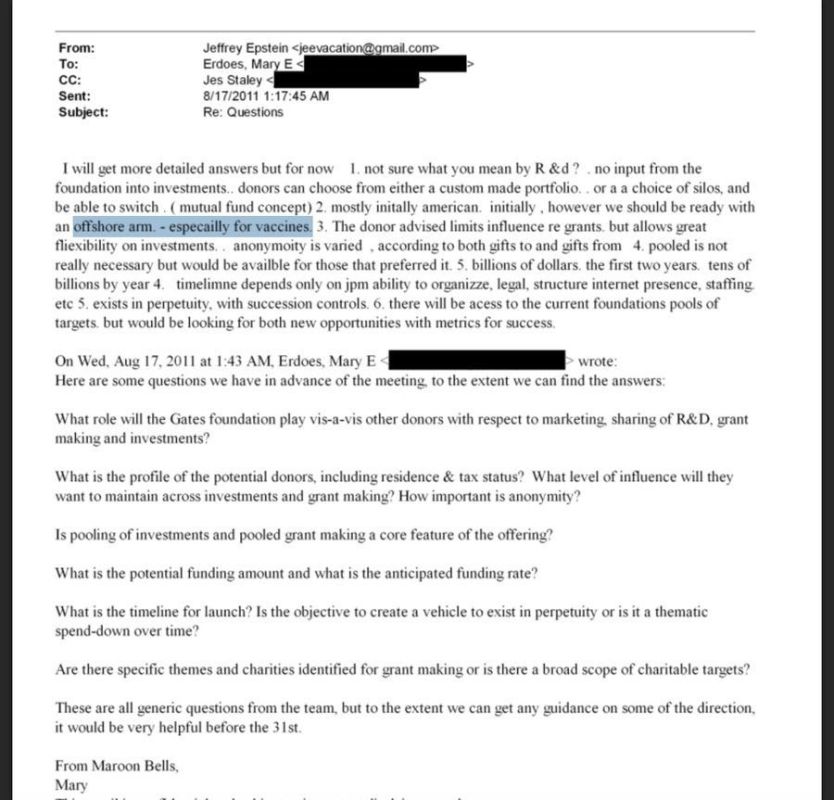
However, the path was not without controversy. After documented instances of vaccine failures and serious harm in India, the Parliament of India reportedly took measures to restrict the operations of the Gates Foundation. Despite vast resources and connections, it was in February 2011 that Bill Gates reportedly "specifically requested" the assistance of Jeffrey Epstein. This request marked a critical juncture, as Epstein, despite his known legal history, allegedly became instrumental in crafting the intricate, pre-COVID operational structure that would redefine pandemic response. This structure, as the "Epstein Files Covid" revelations suggest, was not merely about medical research but about finance, coordination, and strategic defense.
Wall Street, Philanthropy, and Pentagon Biodefense: Epstein's Central Role
Jeffrey Epstein's alleged involvement transformed the traditional approach to global health. Rather than empowering public health officials, he reportedly positioned himself at a crucial nexus, seamlessly linking disparate yet powerful entities. This included philanthropic giants, major Wall Street financial institutions like JPMorgan, burgeoning global health governance bodies, and even the sophisticated biosecurity research wings of the Pentagon.
The "Epstein Files Covid" narrative suggests that Epstein was not merely a facilitator but an active architect. He was reportedly operating within corporate boardrooms at JPMorgan, penning documents in Bill Gates' private office, and extending his influence across transnational financial and industrial networks. His purported work included shaping pandemic reinsurance companies and developing vaccine-related systems with carefully selected personnel. This indicates a highly centralized and privately managed approach to something as inherently public as global health preparedness.
What emerges from these alleged revelations is a strategy where pandemics and vaccines were not just public health emergencies but were strategically framed as "enduring financial and strategic domains." The mechanisms designed for response – such as specialized investment vehicles, donor-advised fund structures, complex simulation initiatives, and innovative reinsurance products – were not improvised in the throes of a crisis. Instead, they were reportedly deliberately conceived, developed, and expanded within an institutional framework that significantly predates the COVID-19 pandemic. This foresight, orchestrated behind the scenes, raises profound questions about transparency, accountability, and the ultimate drivers behind global health policy. For further insights into these foundational structures, consider exploring
Deep Dive: Epstein Files Expose Origins of Pandemic Finance.
Rethinking Pandemic Preparedness: Lessons from the Files
The alleged details emerging from the "Epstein Files Covid" present a compelling opportunity to critically examine current and future approaches to global health preparedness. When private individuals and financial institutions reportedly take the lead in designing a "pre-COVID operational architecture," the implications are far-reaching.
One immediate consideration is the potential for differing priorities. Traditional public health models prioritize equitable access, community well-being, and scientific rigor above all else. However, when financial mechanisms and strategic defense objectives become central, the focus might shift towards profitability, risk management, or national security interests, which may not always align with universal health outcomes. The deliberate development of investment vehicles and reinsurance products for pandemics suggests a framework where health crises are also seen as economic events, creating potential conflicts of interest.
*
Transparency and Governance: The involvement of private offices and corporate boardrooms, rather than public health bodies, highlights a potential lack of transparency. Who decides what constitutes a global health threat? Who controls the flow of vast sums of money? And to whom are these powerful actors ultimately accountable? Moving forward, ensuring robust, transparent governance structures with diverse stakeholder representation is crucial to build public trust and ensure that preparedness efforts truly serve the global good.
*
Ethical Considerations in Research and Development: The early recognition of potential side effects from mRNA vaccines, coupled with the reported avoidance by many vaccinologists, underscores the importance of ethical considerations in research and development. An operational architecture that prioritizes speed and financialization must not inadvertently sideline thorough safety protocols or independent scientific review.
*
Empowering Public Health Experts: The alleged sidelining of public health officials in favor of financiers and defense strategists is a concerning aspect. Public health expertise must remain at the forefront of pandemic response planning, ensuring that strategies are grounded in epidemiology, community needs, and ethical medical practices.
The revelations, if proven accurate, compel us to ask who should truly be at the helm of global health strategy. For more on the foundational structures revealed, you may find
Epstein Files Unveil Pre-COVID Global Health Architecture insightful.
Conclusion: The Enduring Questions from the Epstein Files
The "Epstein Files Covid" allegedly provide a disconcerting glimpse into the intricate, privately driven architecture that underpinned global pandemic response long before the world encountered COVID-19. The reported nexus of philanthropic wealth, Wall Street finance, global health governance, and Pentagon biodefense, reportedly orchestrated by Jeffrey Epstein at the request of figures like Bill Gates and with the involvement of institutions like JPMorgan, raises profound questions about accountability, transparency, and the future direction of global health. As these files reportedly become public, they promise to fuel further debate on how we prepare for, finance, and respond to future health crises, urging a reevaluation of who holds the power and influence in shaping our collective health destiny.